
Hooplehead Meaning: Origin, History & Modern Usage
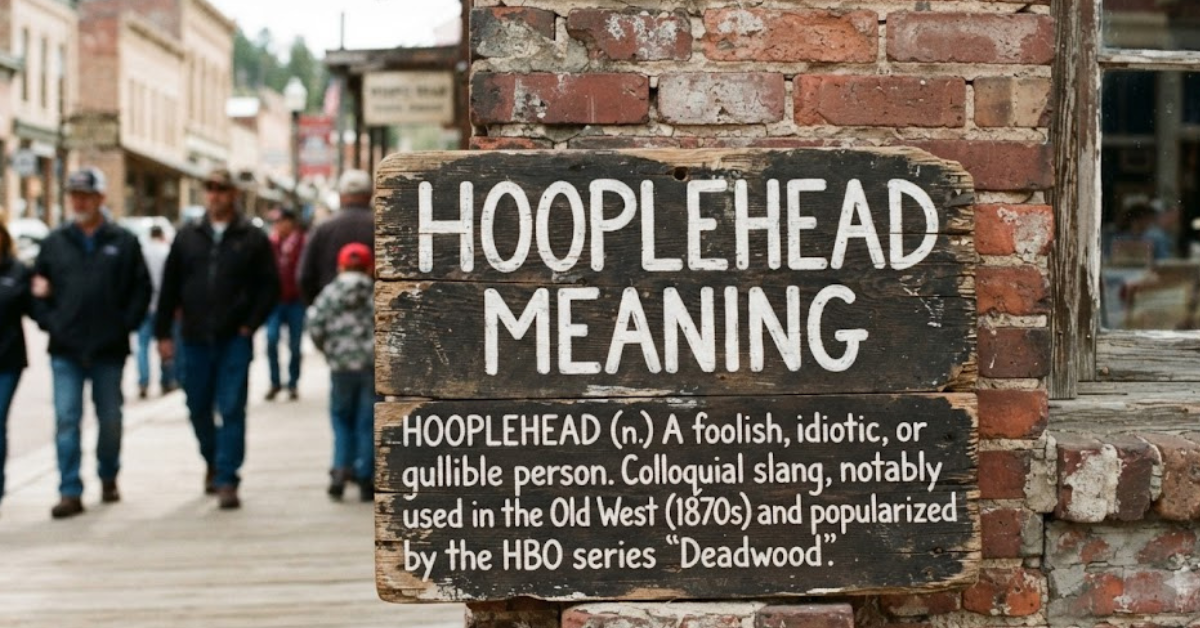
Have you ever heard someone say, “Don’t be a hooplehead,” and wondered what they meant? It’s an unusual word that sounds humorous, but it has a colorful history rooted in the American frontier and became widely recognized through television.
Understanding the hooplehead meaning goes beyond simply knowing it’s an insult. The term reflects a fascinating blend of Western slang, historical language, and pop culture. In this guide, you’ll learn what a hooplehead is, where the word came from, how it’s used today, and why it continues to intrigue language enthusiasts.
What Is a Hooplehead?
The simplest answer to what is a hooplehead is:
A hooplehead is a foolish, clueless, or incompetent person.
The term is generally used as a mild insult rather than a deeply offensive one. Calling someone a hooplehead suggests they’re acting carelessly, making poor decisions, or lacking common sense.
Unlike harsher insults, the word often carries a humorous or playful tone, depending on the context.
Examples include:
- “Only a hooplehead would forget the keys twice.”
- “Don’t listen to those hoopleheads—they have no idea what they’re talking about.”
- “He acted like a complete hooplehead during the meeting.”
The Origin of the Word “Hooplehead”
The exact origin of the word isn’t completely settled, but most historians and language experts agree that it emerged as American slang during the late 19th century.
It became associated with the rough-and-tumble culture of mining camps, frontier settlements, and the American Old West.
Several theories explain how the word developed.
Theory 1: Inspired by the Hoopoe Bird
One popular explanation links the term to the hoopoe, a bird known for its distinctive crest and unusual appearance.
Because the bird’s head looks somewhat exaggerated or comical, some believe “hooplehead” evolved as a nickname for someone considered silly or foolish.
Although this connection isn’t universally accepted, it’s one of the most widely discussed possibilities.
Theory 2: Frontier Slang
Another theory suggests the word simply evolved as colorful frontier slang.
The Old West was full of imaginative insults, many of which combined ordinary words into memorable expressions.
Examples include:
- Lunkhead
- Blockhead
- Bonehead
- Muttonhead
- Hooplehead
These terms all use “head” to imply a lack of intelligence.
Why Did “Hooplehead” Become Famous?
While the word existed before modern times, it gained widespread recognition through the HBO television series Deadwood.
Set in the 1870s mining town of Deadwood, South Dakota, the show featured memorable dialogue filled with historical-style insults and colorful language.
One character in particular—Al Swearengen, played by Ian McShane—frequently referred to people as hoopleheads.
His repeated use of the term introduced it to millions of viewers who had never encountered the word before.
Today, many people associate the word almost exclusively with the series.
Was “Hooplehead” Actually Used in the Old West?
This is where things become interesting.
Historical evidence suggests that words similar to “hooplehead” did exist during the late 1800s, although scholars debate how common the term actually was.
The writers of Deadwood researched period language extensively but also took creative liberties.
As a result:
- The word has historical roots.
- It likely existed in some form.
- Its frequency in everyday frontier speech remains uncertain.
In other words, Deadwood popularized the expression far more than history alone did.
Hoople Head vs. Hooplehead
Some people search for hoople head as two separate words.
However, the accepted spelling is:
Hooplehead (one word)
The two-word version appears mostly because people hear the word spoken before seeing it written.
When writing professionally or discussing the term, use the single-word spelling.
What Does Calling Someone a Hooplehead Imply?
The insult usually suggests that someone is:
- Foolish
- Careless
- Naive
- Slow to understand
- Incompetent
- Reckless
- Irritatingly clueless
Importantly, it rarely implies genuine malice.
Compared with modern insults, it’s relatively lighthearted.
Someone might call a friend a hooplehead after a harmless mistake without intending serious offense.
How Strong Is the Insult?
On a scale of offensive language, hooplehead ranks fairly low.
It’s much milder than many modern insults and often sounds humorous because it’s uncommon.
Tone matters.
For example:
Playful:
“You left your phone at home again, you hooplehead.”
Serious:
“Only a hooplehead would ignore those safety rules.”
The first feels affectionate, while the second carries criticism.
Similar Words and Synonyms
Depending on context, hooplehead has several modern equivalents.
Some common synonyms include:
- Fool
- Idiot
- Dummy
- Bonehead
- Blockhead
- Nitwit
- Simpleton
- Airhead
- Dimwit
- Numbskull
Each varies slightly in tone, but they all describe someone acting unwisely.
Hoople Heads in Popular Culture
Although Deadwood remains the word’s biggest claim to fame, the expression occasionally appears in:
- Western-themed novels
- Historical discussions
- Internet memes
- Online gaming communities
- Social media conversations
- Podcasts about classic television
Fans of Western history often enjoy reviving old-fashioned expressions because they’re distinctive and memorable.
Why the Word Is Still Popular
Several factors explain why people continue using the term today.
It’s Unique
Unlike ordinary insults, hooplehead stands out immediately.
It Sounds Funny
Its unusual rhythm gives it a humorous quality that softens the insult.
It’s Family-Friendly
Compared with stronger language, it’s generally safe for casual conversation.
It Has Historical Charm
Old West expressions continue to fascinate audiences interested in American history.
Examples of Hooplehead in Everyday Sentences
Here are some natural examples.
- “Quit acting like a hooplehead and read the instructions.”
- “Those hoopleheads forgot to bring any supplies.”
- “Only a hooplehead would leave the gate open.”
- “My brother called himself a hooplehead after locking his keys inside the truck.”
- “The coach jokingly referred to the team as hoopleheads after a sloppy practice.”
These examples show that the word often conveys frustration mixed with humor.
Should You Use the Word Today?
You certainly can—but choose the situation carefully.
It’s most appropriate among:
- Friends
- Family
- Fans of Western culture
- Informal conversations
- Humorous storytelling
It’s less suitable for:
- Workplace communication
- Academic writing
- Professional correspondence
- Conversations with people who may not recognize the term
Because it’s uncommon, some listeners may simply be confused rather than offended.
Interesting Facts About Hooplehead
Here are a few lesser-known facts:
- The word became internationally recognized largely because of Deadwood.
- Many viewers assumed the show’s writers invented it, but historical evidence suggests otherwise.
- It belongs to a long tradition of English insults ending in “-head.”
- Linguists often classify it as colorful dialect or regional slang rather than standard vocabulary.
- Today, many people use it affectionately rather than aggressively.
Key Takeaways
- The hooplehead meaning refers to a foolish or incompetent person.
- The term gained modern popularity through HBO’s Deadwood.
- Historical evidence suggests it has roots in late 19th-century American slang.
- The accepted spelling is hooplehead, not hoople head.
- It’s generally considered a humorous, mild insult rather than a harsh one.
Frequently Asked Questions
What is a hooplehead?
A hooplehead is someone who behaves foolishly, carelessly, or without much common sense. The word is usually used humorously rather than as a serious insult.
Is hooplehead a real word?
Yes. Although uncommon in modern English, the term has historical roots and became widely known through the television series Deadwood.
Where did the word hooplehead come from?
Its exact origin is uncertain, but it likely emerged as American frontier slang during the late 1800s. Some researchers also connect it to the hoopoe bird, though that theory isn’t universally accepted.
Why do people spell it “hoople head”?
Many people hear the word before seeing it written. The standard spelling is hooplehead as a single word.
Is hooplehead offensive?
Not usually. It’s considered a relatively mild and often playful insult, especially compared with stronger modern expressions.
Why is hooplehead associated with Deadwood?
The HBO series used the word repeatedly, particularly through the character Al Swearengen. That exposure introduced the term to a global audience and cemented its place in popular culture.
Conclusion
The hooplehead meaning is surprisingly rich for such an unusual word. While it simply refers to a foolish or clueless person, its journey from frontier slang to a memorable catchphrase in Deadwood has given it lasting appeal. Whether you’re exploring American Western history, watching classic television, or expanding your vocabulary, understanding what is a hooplehead offers a glimpse into the creativity of English slang.
Although you probably won’t hear the term every day, it remains a colorful reminder that language evolves in fascinating ways. The next time someone jokingly calls a friend a hooplehead—or you spot the word in a Western—you’ll know exactly what it means and why it has stood the test of time.