
What Does Womp Womp Mean? A Complete Guide to Its Origin and Usage
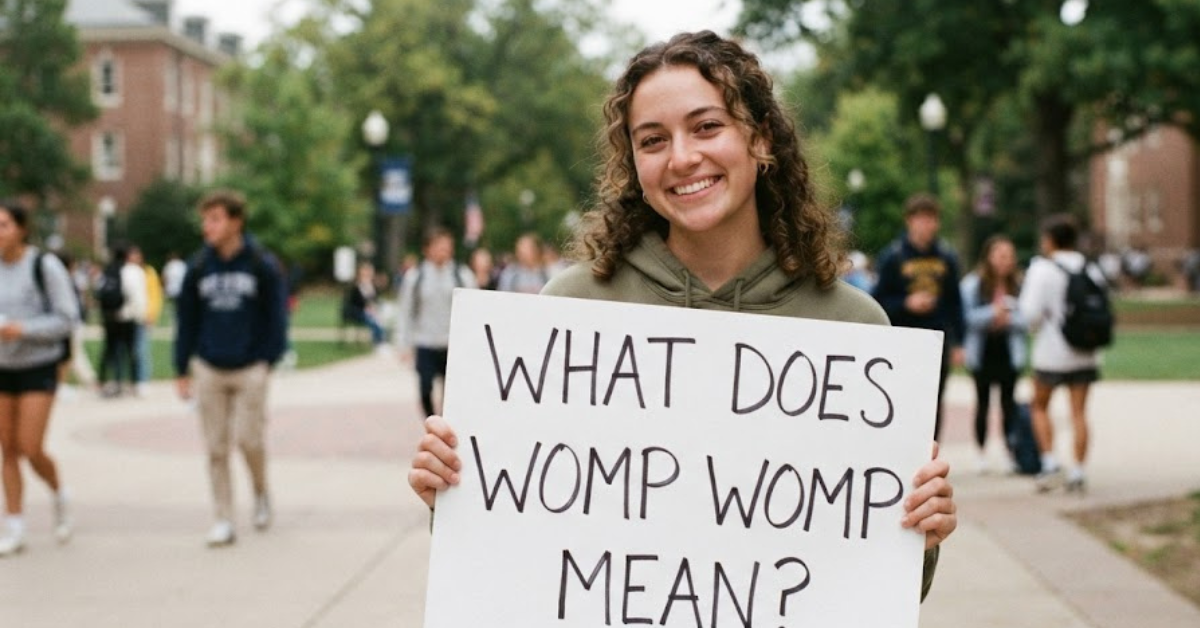
Have you ever shared disappointing news online only to receive a reply that simply said, “womp womp”? At first glance, it might seem confusing—or even a little rude. If you’ve been wondering what does womp womp mean, you’re not alone.
This popular internet expression has become a staple of memes, social media comments, gaming chats, and casual conversations. Depending on the situation, it can be playful, sarcastic, sympathetic, or dismissive. Understanding its meaning requires more than a dictionary definition because context changes everything.
In this guide, you’ll learn the origin of the phrase, how it became an internet trend, when it’s appropriate to use, and why some people find it funny while others find it insensitive.
What Is the Womp Womp Meaning?
The womp womp meaning is a humorous way of reacting to disappointment, failure, or bad luck. It’s often used to imitate the classic “sad trombone” sound effect that follows an unsuccessful or awkward moment.
Instead of expressing genuine sympathy, the phrase usually communicates something like:
- “That’s unfortunate.”
- “Too bad.”
- “Well, that didn’t work out.”
- “Better luck next time.”
The tone can range from lighthearted teasing to outright sarcasm depending on the conversation.
For example:
Person A: “I stayed up all night studying and still failed the quiz.”
Person B: “Womp womp.”
Here, the response jokingly acknowledges the disappointment rather than offering serious comfort.
Where Did “Womp Womp” Come From?
The phrase didn’t begin on social media. Its roots go back much further.
The Sad Trombone Sound
The expression imitates the famous “wah-wah” or “sad trombone” sound that has been used in comedy performances, cartoons, television shows, and radio for decades.
Whenever a joke failed or someone experienced an embarrassing moment, audiences often heard a descending brass sound resembling:
“Womp… womp…”
Over time, people started writing the sound instead of playing it.
Rise on the Internet
As online culture evolved, users began typing “womp womp” in forums, text messages, and comment sections.
Eventually it spread across:
- X (formerly Twitter)
- TikTok
- Discord
- Twitch chats
- Instagram comments
- YouTube videos
Today it’s recognized as one of the internet’s most common expressions for playful disappointment.
Why Has It Become So Popular?
Several reasons explain why the phrase has lasted for years.
It’s Short and Memorable
Typing two simple words instantly communicates a reaction without writing a full sentence.
It Fits Meme Culture
Internet humor often revolves around irony, exaggeration, and playful mockery. The phrase perfectly matches that style.
It Works in Many Situations
People use it after:
- Losing a game
- Missing a deadline
- Failing an exam
- Experiencing a minor inconvenience
- Watching someone make a funny mistake
Because it’s so flexible, it appears almost everywhere online.
Different Ways People Use “Womp Womp”
Although the phrase always relates to disappointment, its tone changes depending on context.
1. Playful Teasing
Friends often joke with each other.
Example:
“I forgot my snacks.”
“Womp womp.”
Nobody is offended because both people understand it’s playful.
2. Sarcasm
Sometimes the phrase mocks complaints that seem unimportant.
Example:
“My favorite coffee shop closed early.”
“Womp womp.”
The response suggests the problem isn’t particularly serious.
3. Meme Reactions
Many memes pair dramatic situations with a simple this for comedic effect.
This contrast between serious events and an intentionally underwhelming response creates humor.
4. Gaming
Gamers frequently type the phrase after:
- Losing a match
- Missing an easy shot
- Getting eliminated
- Failing a challenge
It’s usually intended as friendly banter.
When Should You Avoid Saying It?
Although often harmless, the expression isn’t appropriate for every situation.
Avoid using it when someone is discussing:
- Family emergencies
- Serious illness
- Job loss
- Financial hardship
- Mental health struggles
- Personal grief
Responding with this in these situations can appear insensitive or disrespectful.
A good rule is simple:
If the person genuinely needs empathy, offer support instead of sarcasm.
Is “Womp Womp” Rude?
Not necessarily.
Whether it sounds rude depends almost entirely on context.
Usually Acceptable
- Between close friends
- During jokes
- In gaming chats
- On humorous social media posts
- For small everyday inconveniences
Potentially Offensive
- During emotional conversations
- In professional settings
- When someone is sharing serious personal problems
- When used to mock genuine suffering
Tone and timing matter far more than the words themselves.
Examples in Everyday Conversations
Here are a few examples showing different uses.
Example 1
Friend: “I missed the bus.”
Reply: “Womp womp.”
Meaning: A light joke.
Example 2
Coworker: “The printer broke again.”
Reply: “Womp womp.”
Meaning: Mild frustration mixed with humor.
Similar Internet Expressions
Many online phrases carry a similar tone.
| Expression | Meaning | Tone |
| Too bad | Mild sympathy | Neutral |
| Oops | Small mistake | Casual |
| Better luck next time | Encouragement | Positive |
| RIP | Humorous acknowledgment of failure | Informal |
| Skill issue | Mocking poor performance | Sarcastic |
| That’s unfortunate | Polite response | Neutral |
Each phrase fits different situations, but all react to disappointment in some way.
How Social Media Changed Its Meaning
Originally, the phrase represented a literal sound effect.
Today it functions as internet slang.
On platforms like TikTok and Reddit, users often type it without thinking about the original trombone sound. Instead, it has become shorthand for reacting to minor failures with humor.
This evolution shows how internet language constantly transforms familiar sounds into widely understood expressions.
Why Younger Generations Use It So Often
Younger internet users grew up communicating through:
- Memes
- GIFs
- Emojis
- Reaction images
- Viral slang
Rather than writing long responses, they often use quick expressions that instantly convey emotion.
It fits perfectly because it is:
- Funny
- Easy to type
- Instantly recognizable
- Widely understood across platforms
Common Misunderstandings
Many people assume the phrase always means someone is being rude.
That’s not true.
In many conversations, it’s simply playful humor.
Another misconception is that it expresses sympathy. In reality, it usually acknowledges disappointment without offering emotional support.
Understanding the relationship between the speakers is often more important than the phrase itself.
Practical Tips for Using It
If you’re unsure whether to use the phrase, keep these tips in mind:
- Use it for small, everyday disappointments.
- Reserve it for casual conversations with friends.
- Think about how well you know the other person.
- Avoid using it in professional communication.
- Never use it to respond to serious personal news.
- When in doubt, choose kindness over sarcasm.
Following these simple guidelines helps prevent misunderstandings.
Key Takeaways
- The phrase imitates the classic sad trombone sound.
- It usually reacts to disappointment with humor or sarcasm.
- Context determines whether it feels funny or offensive.
- It’s widely used across social media, gaming, and meme culture.
- Serious situations call for empathy instead of internet slang.
- Understanding tone is essential before using it.
Read also <<< Quarterly Means
Frequently Asked Questions
What does womp womp mean in texting?
In text messages, it usually signals playful disappointment or mild sarcasm. Friends often use it to react to small setbacks rather than serious problems.
Is this an insult?
Not by itself. However, it can feel insulting if someone uses it to dismiss another person’s genuine emotions or difficult experiences.
Why do people say this on TikTok?
TikTok creators use it as a humorous reaction to awkward moments, failed attempts, or unexpected outcomes. It has become part of the platform’s meme vocabulary.
What is the difference between the sad trombone sound?
The phrase is a written version of the classic comedic sound effect. Instead of hearing the noise, people simply type it to communicate the same feeling.
Can you use this at work?
It’s generally best to avoid it in professional settings. Because the phrase can sound dismissive, more respectful language is usually a better choice.
Why has “womp womp” become so popular online?
Its popularity comes from meme culture, gaming communities, and social media, where quick, humorous reactions are part of everyday communication.
Conclusion
Internet slang changes rapidly, but some expressions remain popular because they capture everyday emotions in a simple, memorable way. Understanding what does womp womp mean helps you recognize when the phrase is meant as harmless humor and when it might come across as insensitive.
Whether you encounter it in a meme, gaming chat, or social media comment, remember that context is everything. Used among friends, it can add a playful touch to a conversation. Used carelessly, it can easily be misunderstood. Knowing the difference will help you communicate more effectively both online and offline.